
Vancouver city council’s decision Tuesday on the 2026 operating budget was no surprise. But it was still significant, marking the biggest change in approach to municipal finances in many years.
As expected, council’s approval of the $2.39 billion operating budget — and its accompanying property tax freeze and hundreds of expected job cuts — fell along party lines, with ABC Vancouver’s seven members in support and the four other councillors opposing.
The majority party has been signalling this direction since June, when ABC Vancouver Mayor Ken Sim directed city staff to find “efficiencies” to avoid the six-to-seven-per-cent property tax hike they estimated would be needed to maintain existing service levels.
In September, Sim doubled down on that approach, directing staff to balance the books with a zero-per-cent property tax increase.
The resulting draft budget, released in early November, has produced a huge public response, and a weeks-long process where council heard from hundreds of speakers.
Sim and fellow ABC Vancouver members said the budget represents an overdue course-correction after many years of unsustainable growth in city spending and hiring. The budget will find $120 million in cost savings and increased revenues, ABC pledged, without reducing public safety, grants and core services including community centres, libraries and roads.
But the four councillors from other parties said this austerity budget — which is expected to mean slashing around 400 city jobs and cutting spending in several municipal departments — will hurt Vancouverites in the long-term.
Speaking to reporters at city hall minutes after Tuesday’s budget vote, Sim said: “This is a change. We’re changing the direction of the city.”
“That’s why we were voted into office, people did not want the status quo,” Sim said. “They didn’t want governments to just blindly increase the budgets without being thoughtful.”
For many years now, the city’s budgets have grown far faster than inflation or population growth.
The city’s operating budget roughly doubled between 2015 and 2025, from $1.2 billion to $2.34 billion, growing several times the rate of inflation. During that same period, Vancouver’s workforce grew by about 25 per cent, far outpacing population growth.
Speaking during Tuesday’s budget meeting, ABC Coun. Mike Klassen said Vancouver’s proposed 2026 budget represents the city’s first zero-per-cent property tax increase he could recall in 25 years following municipal politics.
In recent decades, the city expanded to expend more resources in areas outside of its jurisdiction, Klassen said.
“This happened slowly and often with very good intentions, but the cumulative effect has been significant. Vancouver has been carrying responsibilities that belong to other levels of government. Full stop. And our systems have become stretched in ways they were never designed to manage.”
Certainly, many Vancouverites will appreciate both the real-world pocket book impact of property tax savings, as well as the more fundamental shift in approach to municipal finances.
As ABC Coun. Lisa Dominato said Tuesday: “The writing’s been on the wall for a number of years that there needed to be a pivot.”
Some of Vancouver’s more fiscally conservative voters have been disappointed ABC didn’t pivot more quickly in this direction after their election in 2022.
Instead, ABC approved big property tax hikes — a cumulative increase of more than 20 per cent — over the first three-quarters of their time in office, while the city workforce grew by more than 700 additional full-time employees.
ABC has argued that they inherited a city that was in a mess when they took office, and needed that time and money to right the ship. Now, they say, they can really make their mark with this budget, and Sim has pledged to bring a similar fiscal rigour to the 2027 budget if he and ABC win another majority next year.
But the non-ABC councillors have criticized the ruling party’s track record on this front.
“I’d have liked to see the change take place in Year 1, not at the end of Year 3 going into an election year,” said OneCity Coun. Lucy Maloney. “What’s Ken Sim been doing? Where’s the leadership? … All we’ve seen is him sit back and hire over 700 new staff and then all of a sudden think, ‘Oh God, it’s almost election time’ and then wind it back with a chainsaw.”
Councillors had many questions about this year’s budget. City staff shared a series of memos in recent weeks with council, answering dozens of their questions seeking clarity on the public survey on the budget, garbage route efficiency, special event fees, and the costs and benefits of replacing baby-changing tables in the most frequently vandalized public washrooms.
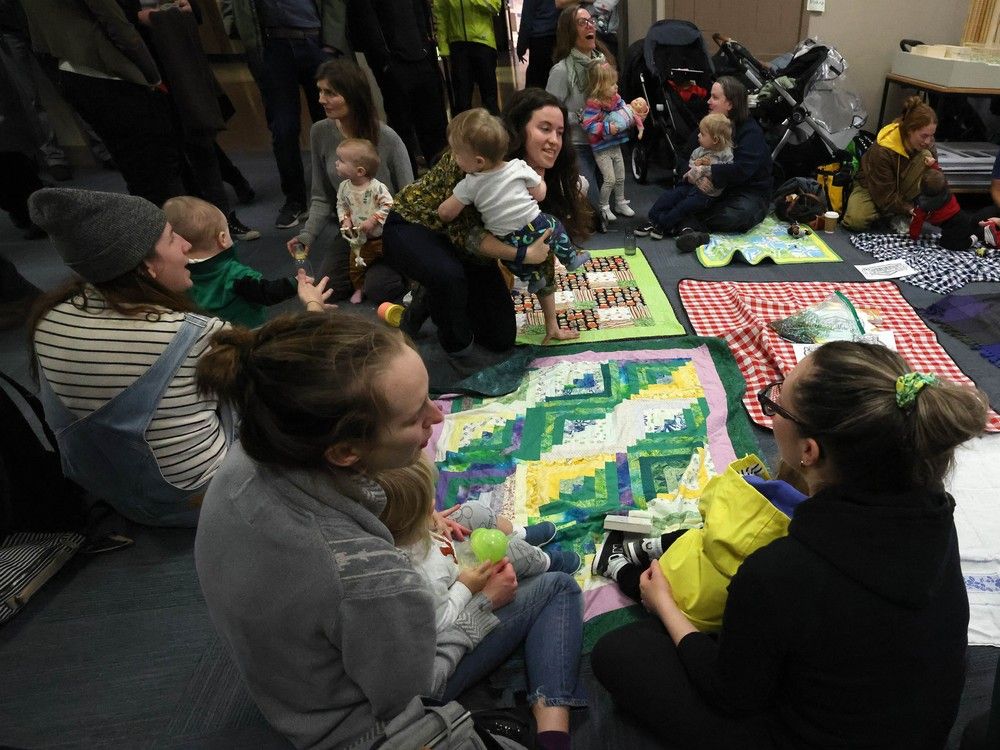
The budget also drew a huge response from the public, with hundreds of people signing up to speak to council and more than 1,200 writing in. The vast majority of those people opposed the budget.
But that group, while not insignificant, isn’t representative of the electorate at large. It’s not clear how representative they will be of the broader population, whether their predictions of reduced service levels will be proven right or wrong with time, or whether this direction ends up helping or hurting the party that steered it.
Either way, we can expect to hear a lot more — from all sides — about the 2026 budget between now and election day next October.