
The B.C. Conservatives are calling on Premier David Eby to recall the legislature before Christmas to repeal the Declaration on the Rights of Indigenous Peoples Act, days after the B.C. Court of Appeal ruled that the provincial legislation was legally enforceable.
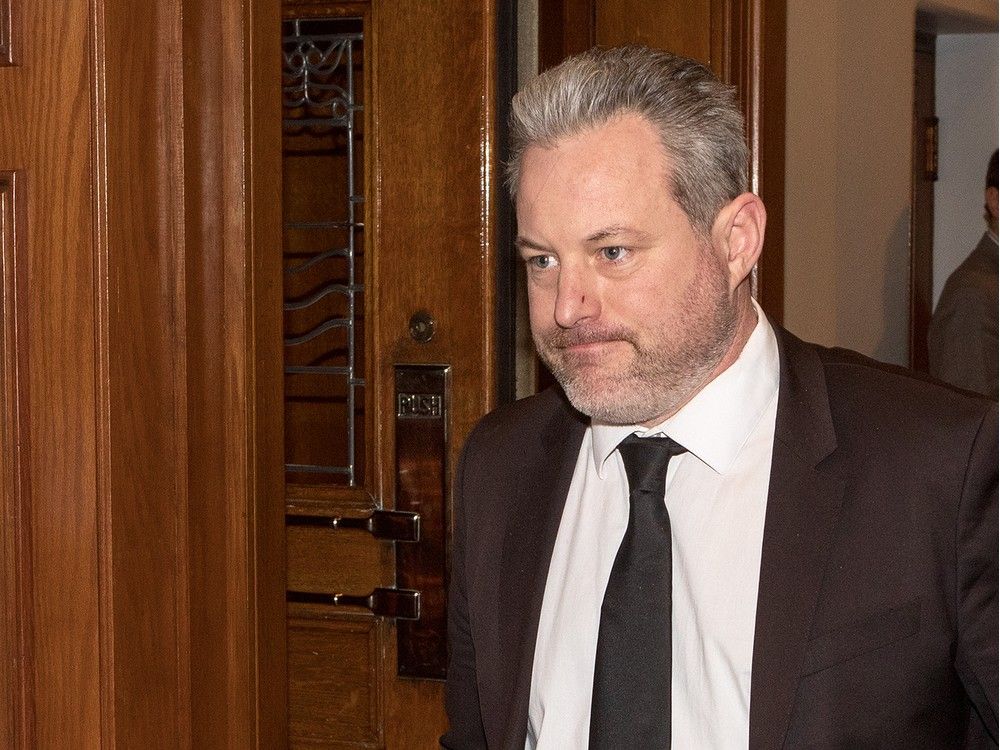
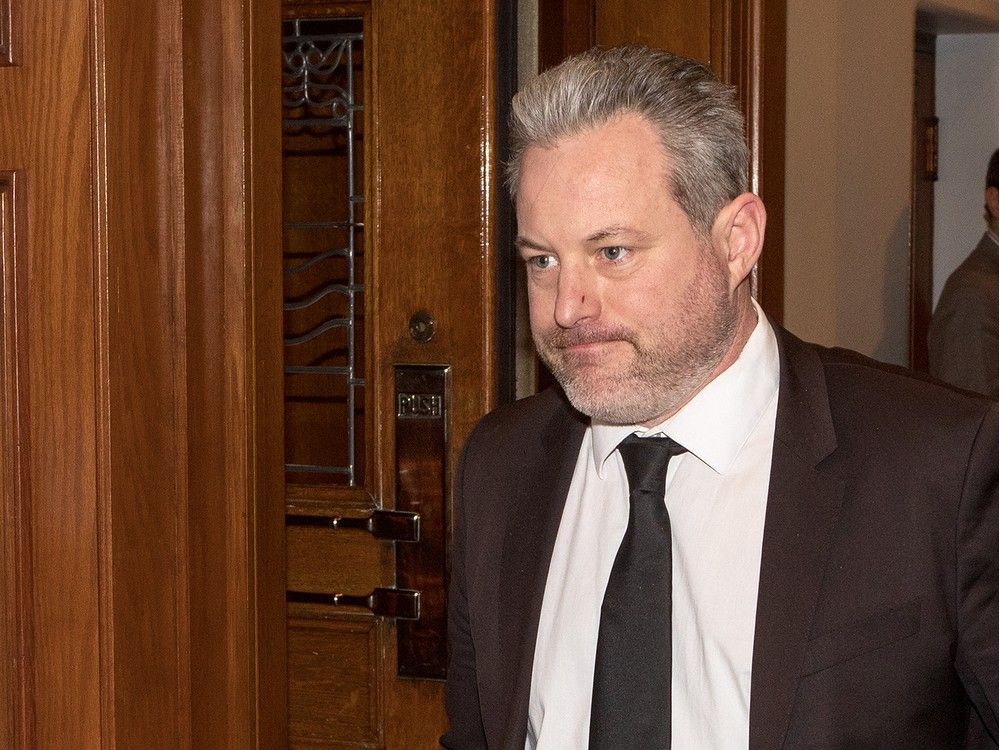
Trevor Halford, the interim Conservative leader, and his house leader, Á’a:líya Warbus, told reporters Monday that the act threatens the economy of the province.
“Economic viability in British Columbia affects Indigenous communities just as much as everybody else,” said Warbus. “So if B.C. is not economically viable, neither are those Indigenous communities on their own.”
On Friday, a panel of three judges ruled in a 2-1 decision that the province’s Mineral Tenure Act was in violation of the rights act, commonly referred to as DRIPA, in response to a legal challenge by the Gitxaała and the Ehattesaht First Nations launched almost five years ago.
The Appeal Court ruling reversed a 2023 decision by the B.C. Supreme Court that found that while the province needed to reform the Mineral Tenure Act to require consultation with First Nations over staking of mineral claims on their land, the court couldn’t weigh in on whether it violated DRIPA as the legislation had never been implemented and was not “justiciable.”
Eby said Monday he will not be bringing the legislature back, but will be looking at ways to change the law so that rulings like last week’s don’t blindside the government in the future.
But what effect could the new court ruling have on other B.C. laws that have yet to be reformed to take Indigenous rights into account? What might those amendments look like?
Here are three things you need to know:
The Declaration on the Rights of Indigenous Peoples Act was meant to provide a framework for B.C. to bring all of its laws into alignment with the United Nations Declaration on the Rights of Indigenous Peoples, which lays out standards for the basic human rights of Indigenous peoples around the world.
It was passed unanimously in 2019. But the Conservatives have called for the repeal of DRIPA since the 2024 election, with then-leader John Rustad arguing it was affecting private property rights and leading to challenges for the mining, forestry and agricultural sectors due to the need to consult with First Nations.
As part of its efforts to implement DRIPA, the NDP government released a five-year plan in 2022 that has 89 actions.
So far, only eight of the actions, such as providing support to Indigenous tourism operators and making learning about First Peoples mandatory in schools, have been completed with a number of others in the implementation phase.
Many businesses and Indigenous law experts are still poring over the B.C. Appeal Court ruling but early indications are that the ruling has significant ramifications for any law yet to be brought in alignment with DRIPA that is legally challenged by First Nations.
Dwight Newman, a professor at the University of Saskatchewan and Canada Research Chair in rights, communities, and constitutional law, said the problem with the ruling is that it commits B.C. to implementing DRIPA immediately rather than the gradual changes envisioned by the province when it brought in the legislation.
“I think it tends to put a lot of power in the hands of judges, and a huge role for judges in a way that makes the legal system very unpredictable if it’s left as is,” said Newman.
“It’s true that the plan was ultimately for British Columbia law to align with UNDRIP, and that’s what’s set out in DRIPA. At the same time, the courts doing that will tend to have very different effects than if that can be gradually negotiated out through legislation.”
Other legal experts think the reaction from provincial politicians is overblown and veers into fearmongering.
Robert Janes, a partner at JFK Law in Victoria, said the court ruling simply states that B.C. has not fulfilled its obligations under DRIPA and needs to speed up the process.
“The premier and the leader of the opposition are overstating what this case says. It doesn’t actually shoot down the law or cancel everybody’s mining permits,” he said. “It literally declares that you have not discharged your obligations under your UNDRIP, and you now have to get on with it and do this more quickly.”
Eby said it will take some time for the province to come up with the right wording to ensure that the implementation of DRIPA is a matter for the provincial legislature, not the courts.
“We’ll take some time to put that together, to work with different stakeholders, First Nations, partners, the business community and others, to make sure that the amendments actually achieve the goal,” said the premier.
The First Nations Summit political executive, Robert Phillips, said he gets concerned any time changes to DRIPA are raised and that backtracking on the rights of Indigenous Peoples could plunge the province back into a place where Indigenous rights are fought out in court.
He said that First Nations support major projects such as mining but the process needs to be conducted properly.
“To amend DRIPA, to me, will be foolhardy, because you’re just then taking us back decades,” he said.