
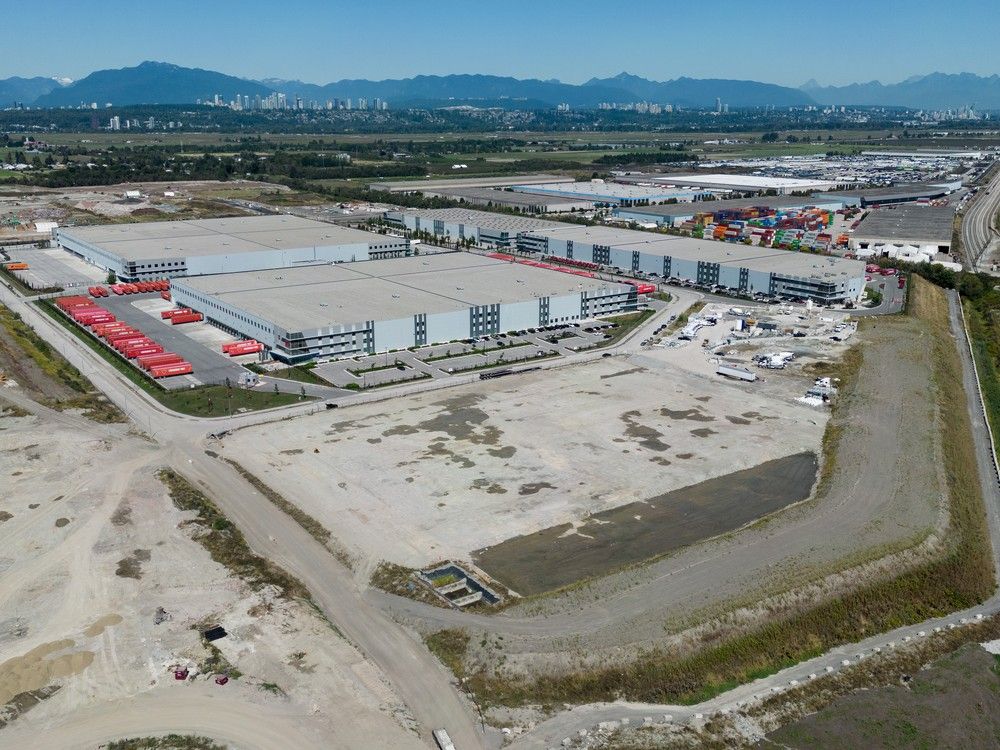
VICTORIA — The B.C. NDP government is supporting a real estate company’s action to reopen the case that last year found the Cowichan Tribes had Aboriginal title over hundreds of hectares of land in Richmond.
Richmond-based Montrose Properties launched the action because it was excluded from the five years of proceedings that led to about 200 hectares of its land being included in the area designated as covered by Aboriginal title.
B.C. Attorney General Niki Sharma says the province supports the Montrose application because the company should never have been excluded.
“We’ve been pretty clear in our positions through the Cowichan case that we think that the third-party landowner should have had a hearing,” Sharma told reporters this week.
“We made such an application in that court process. So therefore we are supportive of the Montrose application that’s before the courts.”
The province last fall put up $150 million in financial backing for Montrose and other property owners caught up in the case.
The federal government also supports the application, having urged the court to notify third party landowners that they had a stake in the proceedings.
Montrose seeks to re-open the case to make submissions on the implications of its exclusion from the proceedings and to raise questions about the impact of the designation of Aboriginal title on its fee-simple lands.
The company says it was generally aware of the court action ahead of time but had no idea of the impact on its own holdings until the judgment was published in August.
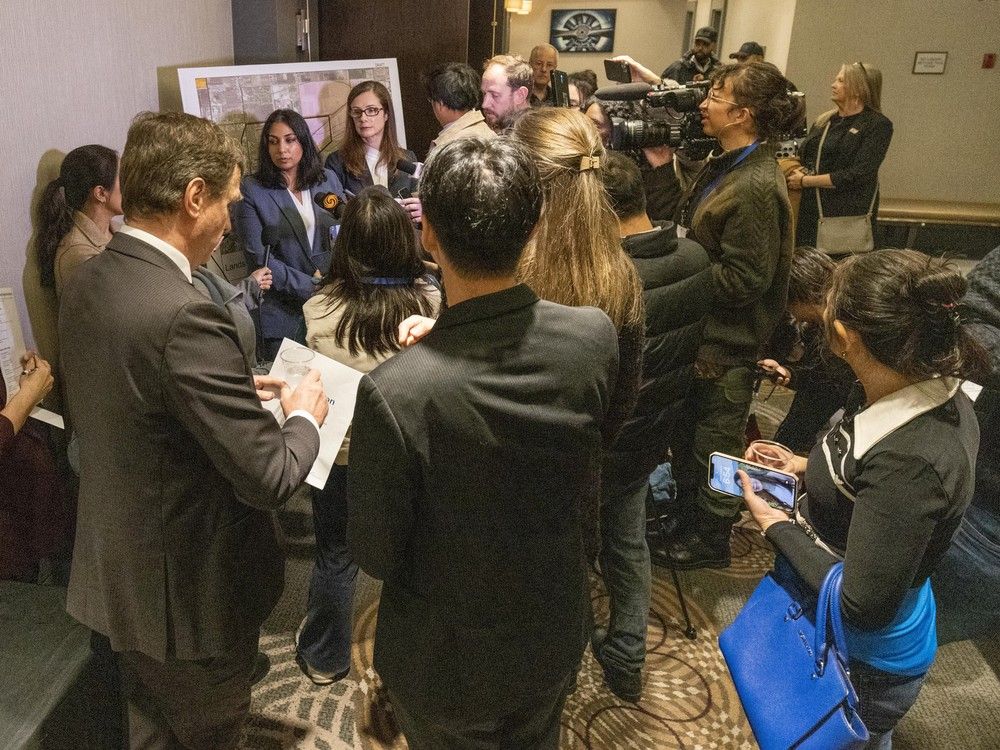
The Montrose lands house warehouses, a Coca-Cola bottling plant, and other facilities. Company lawyer Robin Junger says the Aboriginal title designation has already affected the status of its holdings and in one case led to a potential deal being put on hold.
“More lenders have said we’re not prepared to lend until this title uncertainty is addressed. A prospective tenant has also expressed concerns,” Junger told Jas Johal on CKNW this week.
“There’s this uncertainty over the land because the court determined that Aboriginal title exists over the same land that Montrose owns fee simple,” he explained.
“And since Montrose was not a party to the 513-day trial, the court declined an application to give Montrose notice. The federal government applied — said Cowichan Tribes should have to give notice to the private property owners in the area. The court declined to grant that.
“So we’re saying that before any final order is issued that would have significant impacts on our client, that the court should hear from our client.”
The Cowichan Nation opposes the Montrose application, as it did the government request to notify private landowners during the lengthy court proceeding itself.
While the court turned down the application to directly notify owners, the judge at that stage did say the governments were free to do it themselves, Cowichan lawyer David Rosenberg noted this week.
“It was free for anyone, including British Columbia, Canada or Richmond, to tell everybody what was going on, to take out newspaper announcements, or put it on the radio, or go door-to-door,” Rosenberg told Mark Page of Black Press. “Everybody was free to do it if they wanted, and no one did it.”
Rosenberg maintains that the Cowichan Nation is not seeking to oust private property owners from the Richmond lands.
”They’ve been trying to recover their land that was their ancient village site. But they have never sought to displace or eject private property holders.”
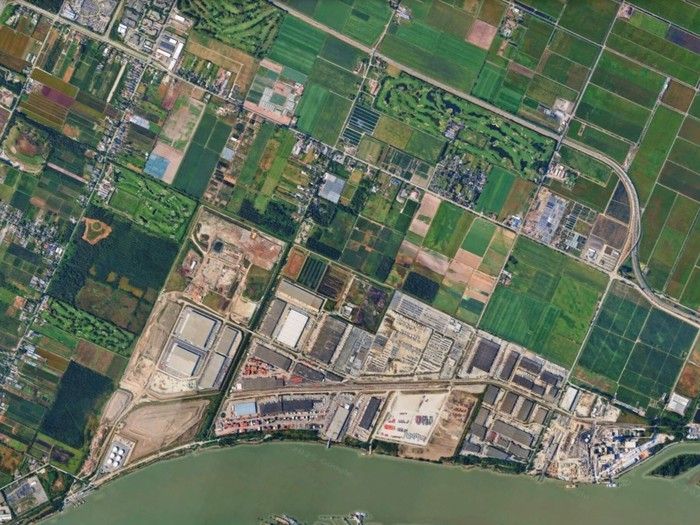
A few days after winning the case last August, Rosenberg did provide his estimation of the immediate impact on private land sales within the area now designated as Aboriginal title.
The sales could proceed, he told Jas Johal on CKNW, but with this caveat: “It would come with the consent of the Cowichan Nation and it would be with some accommodation from the Crown to the Cowichan Nation.”
Meaning, as I read it, no transactions without consent and compensation.
On Tuesday of this week, Rosenberg raised another issue during a case management hearing with the other parties before B.C. Supreme Court Justice Barbara Young, who delivered the Cowichan decision last August.
The Cowichan Nation wants the province to disclose any correspondence with Montrose and other landowners in the area and for Montrose to do the same. The judge gave the province and Montrose until Friday to respond to the request.
If the disclosure issue gets sorted out, then the hearing on the application to reopen the case can proceed as scheduled on Feb. 11 and 12. If the province, Montrose and the Cowichan Nation can’t agree, the procedural wrangle may drag on.
Eventually Young will have to rule on whether to open up the case and let Montrose defend its interests and its property in court. Or she could continue to confine the company to the sidelines, never mind the stakes for that particular property owner – and by extension property owners everywhere.
Either way the judge will send a message to owners of homes, businesses and land who get caught up in the growing number of Aboriginal title cases in this province.