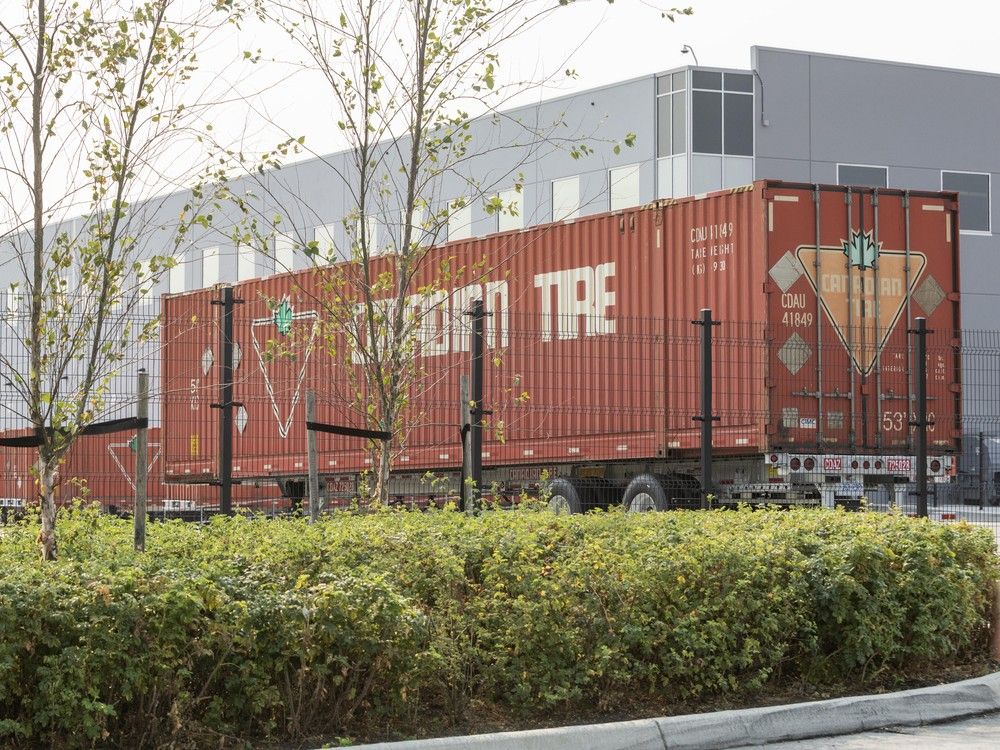
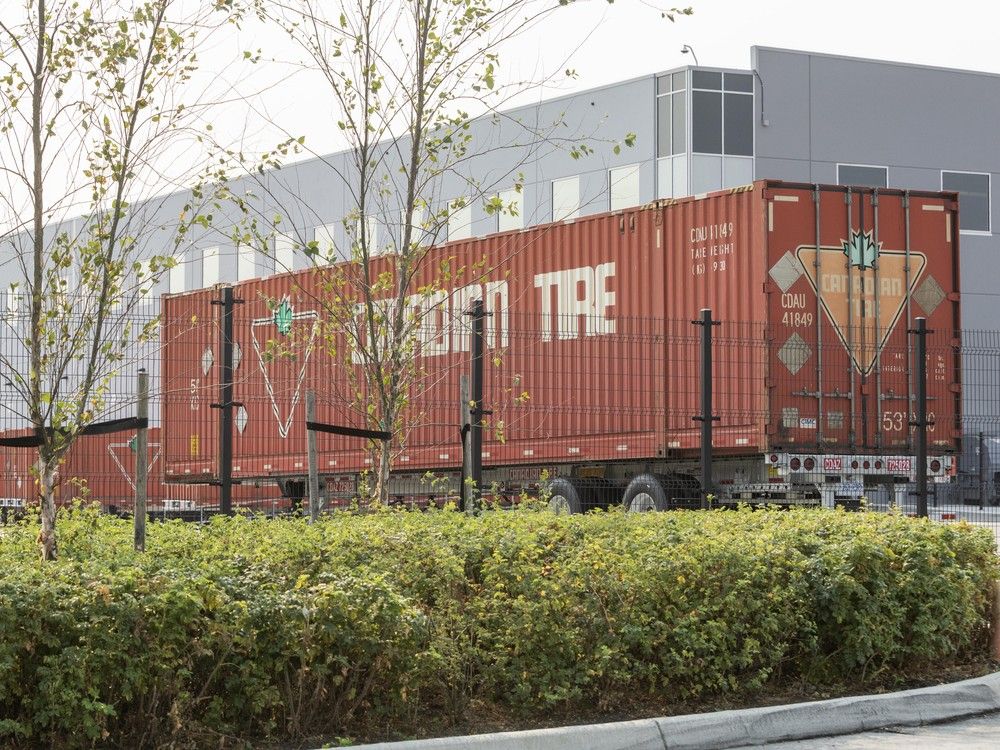
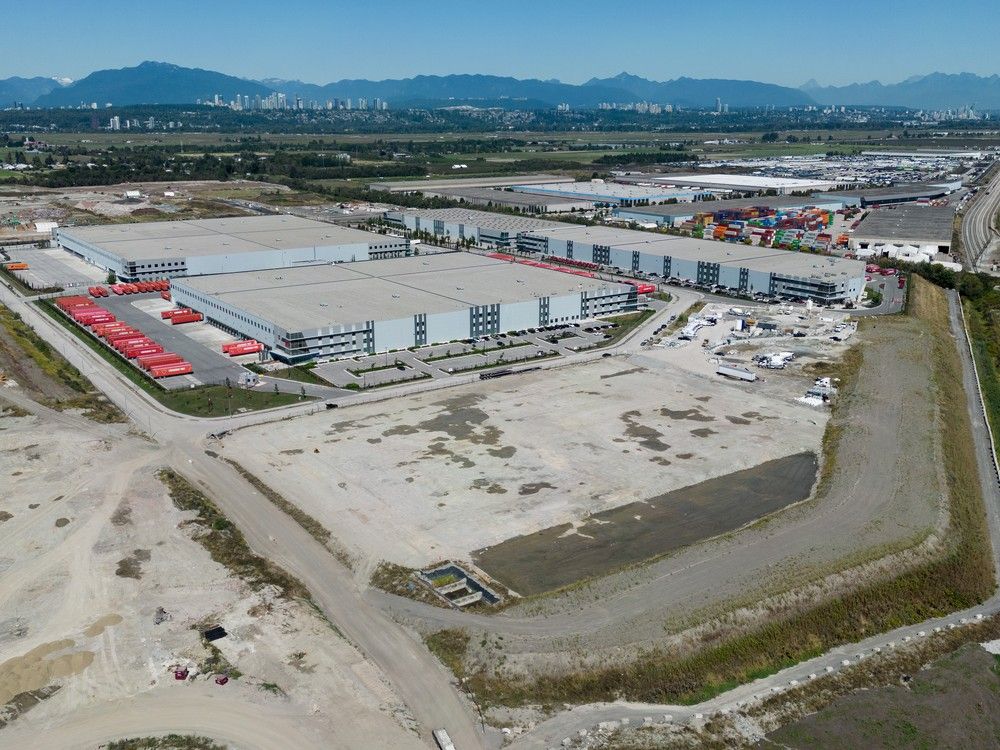
VICTORIA — The federal and provincial governments have filed court statements to support Montrose Properties, the company seeking to reopen the case that last year recognized Aboriginal title over a swath of south Richmond.
Both governments urge B.C. Supreme Court to grant the application because Montrose was excluded from the five-year trial that ended with recognition of Aboriginal title over about two square kilometres of the company’s private land.
“The province respectfully submits that a real issue exists,” says B.C.’s submission, filed last week with B.C. Supreme Court Justice Barbara Young, who decided the title case in favour of the Cowichan Tribes last August.
“Montrose brings a perspective that is different from that of the parties involved in the litigation,” B.C. argues. “As a private landowner who was never given formal notice of the litigation, Montrose should be added as a party so as to be heard on issues of fundamental importance to its economic well being and to advocate for the protection of the security of its fee-simple titles.”
The federal government submission, also filed last week, notes the unusual nature of an application to reopen a case already ranked as the longest-running in Canadian history.
“Canada acknowledges the significant time and effort of all parties involved in closing the trial in this case after 513 (court) days. Canada recognizes the importance of finality and that it is generally in the interest of justice to consider that a trial is complete when each side has closed their case.
“However it is equally important that parties have the opportunity to be heard when directly affected by a decision,” the submission continues. “Canada consents to Montrose being added as a party and to the trial being reopened. Doing so would allow Montrose the opportunity to make submissions and present evidence to the court regarding the issues raised in the application.”
In particular, it would allow the company to provide its perspective on how the declaration of Aboriginal title impacts its “legal and financial interests,” evidence that was “not before the court during the trial.”
As well, haring from Montrose could clarify how a grant of Aboriginal title could affect private fee-simple land title elsewhere in the province.
“This court issued a declaration of Aboriginal title over lands held in fee simple, including those of Montrose, on the basis that these interests can coexist but may not be exercisable in their fullest form.
“Uncertainty thus remains regarding how Aboriginal title and fee simple are to coexist in practice pending successful negotiations or future litigation.
“The application – if granted – could help provide clarity on the issue by allowing Montrose to participate in the litigation.”
Canada also took note of one of the most controversial aspects of the case – the rejection at a preliminary stage in the proceedings of an application to provide notification to private landowners.
“The federal government applied to have Cowichan – or the province – provide notice of the litigation to private landowners within the claim area.” The case management judge declined to do so.
The province agreed with Ottawa’s call for notification because of the possible impact of a finding of Aboriginal title on private legal and financial interests.
“It has been a long-standing principle in the Anglo-Canadian jurisprudence that challenges to the form and scope of fee simple property must be conducted with the participation of the person or entity that holds the indefeasible title. That person or entity has the right to be a party to the litigation.
“The province also made extensive submissions about the potentially negative impacts that a declaration of Aboriginal title could have over privately held fee simple lands.”
Lest the judge take offence at these reminders of arguments B.C. made and lost, the submission says that they were being restated “not for the purpose of rearguing the case but to demonstrate the consistency of the province’s position.”
The Cowichan Nation opposes the Montrose application. It is also asking the province to disclose its communications with Montrose and other landowners in the affected area. Montrose has been asked to disclose as well.
The application to reopen the case is scheduled for a full hearing on Feb. 11 and 12. Young’s ruling, whether for Montrose or against, could set a precedent for other cases where Aboriginal title is asserted over private land holdings.
The province has also given notice of its intent to appeal the overall judgment in the case, with a focus on the findings regarding private land title.
In anticipation, one passage in the provincial filing on the Montrose application stands out:
“Private property in land is foundational to British Columbia and Canada’s market economy.
“Their issuance is intended to do nothing less than build the society of the province, for the benefit of all British Columbians, by enabling and encouraging all manner of objectives: settlement, development of agriculture, construction of infrastructure, transportation, commerce, and the maintenance of public services, among others.”
I expect B.C. will expand that argument at some length when it files with the B.C. Court of Appeal, as it is expected to do soon.