
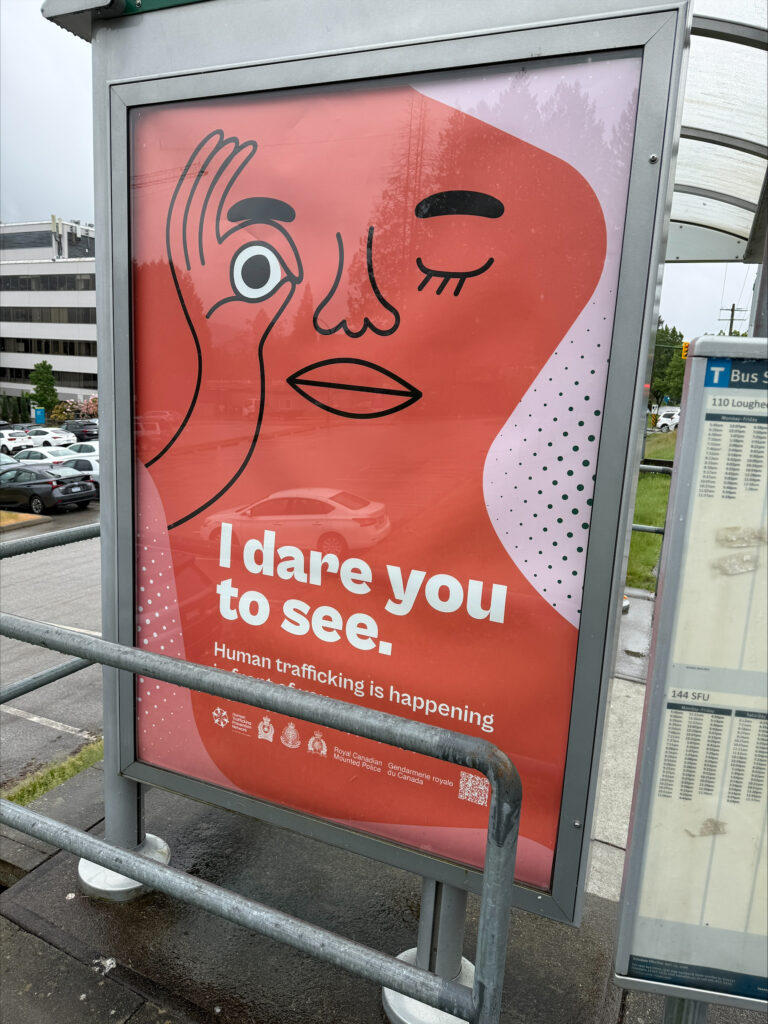
Officials launched programs to prevent crimes such as human trafficking from happening during the World Cup.
However, at a march in solidarity with sex workers in Vancouver on Saturday, people say that different measures should be taken.
CLICK HERE TO LISTEN TO 1130 NEWSRADIO VANCOUVER LIVE!
The protest was joined by hundreds of people as they demand safety, rights, and respect for the workers.
“We have been seeing more violence in the community than we have ever seen before,” said Angela Wu, executive director of SWAN Vancouver.
The organization supports migrant sex workers.
Wu adds that Canada’s legal landscape is to blame for the rise in violence, because it pushes sex workers away from seeking help.
“What that means is that they’re really reluctant to go to the police when they need help, and unfortunately, predators know that, so we’re seeing more people being emboldened to target sex workers,” she explained.
SWAN Vancouver says that reaching out for help is harder than ever, with multiple organizations being forced to shut down or scale back operations in the past year due to major funding shortfalls.
The organization itself has had to temporarily shut down its office.
It says that the heightened police presence Downtown Vancouver ahead of and during the World Cup frightens its users, which other advocates say is indicative of a larger trend.
“Pushed out of their neighbourhoods, pushed out of safe spaces, it’s definitely affecting street-based sex workers in a really traumatic way,” said Philip Palendat, program manager at Vancouver Sex Work Community Alliance.
Along with the displacement that’s coming with the World Cup, advocates say human trafficking awareness campaigns have been counterproductive.
Among others, multiple police departments launched a human trafficking app last month.
According to the RCMP, it aims at “helping frontline workers and the public recognize real-world signs of human trafficking and feel confident in what they’re seeing so they can act when something doesn’t feel right.”
Additionally, police launched a billboard campaign across Vancouver.

They argue that it contributes to stigmatization, something the community can ill afford.
“Especially leading up to FIFA, we know that the call for sex workers is going to rise exponentially and so will the violence towards them and women in general,” Musqueam activist Audrey Siegl told CityNews.
It’s against this backdrop of anxiety that those in the march say officials need to get serious about providing funding to front-line organizations and treating sex work like work.
“Sex work has always existed, but it doesn’t have to exist in dangerous ways,” Siegl added.
– With files from Jan Schuermann.