
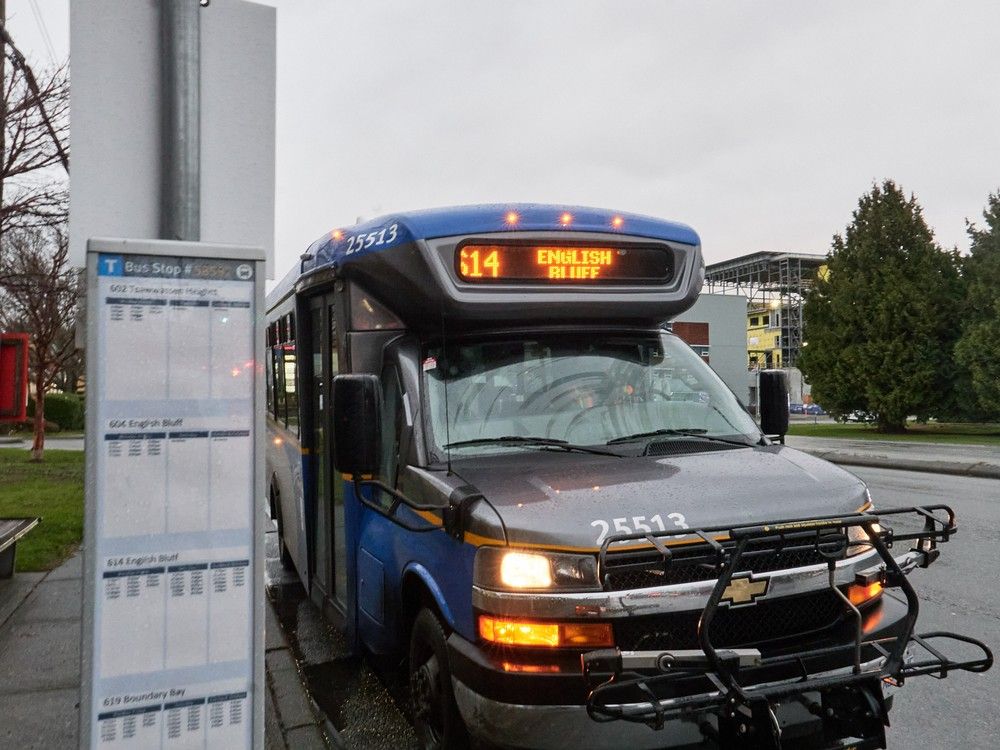
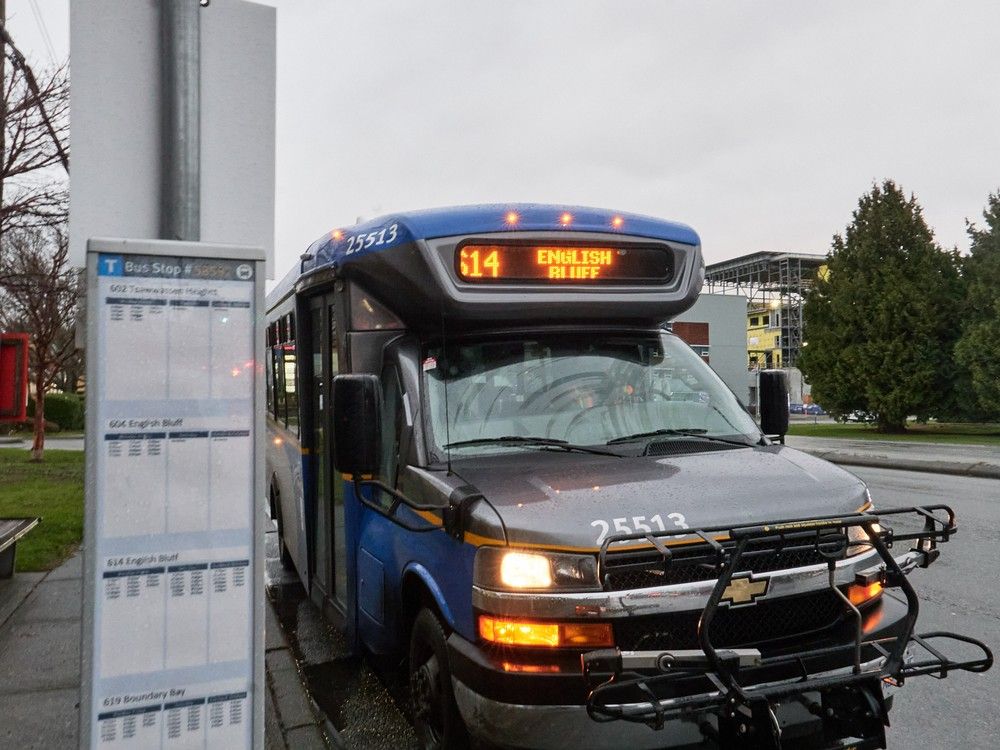
On a recent weekday,
’s 614 shuttle bus, which runs through south Delta and Tsawwassen, pulled up to the stop at the South Delta Recreation Centre, empty except for the driver.
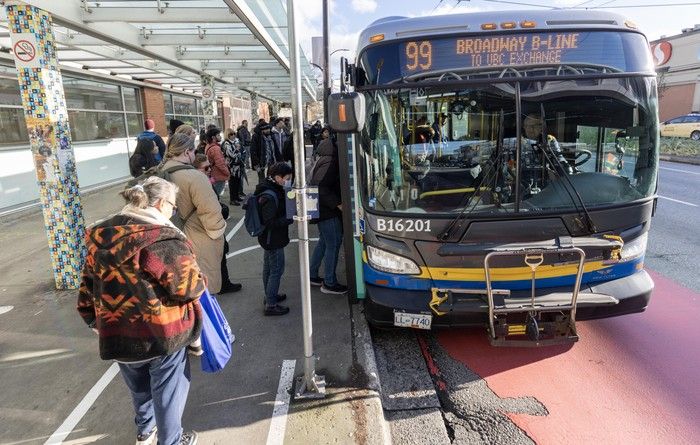
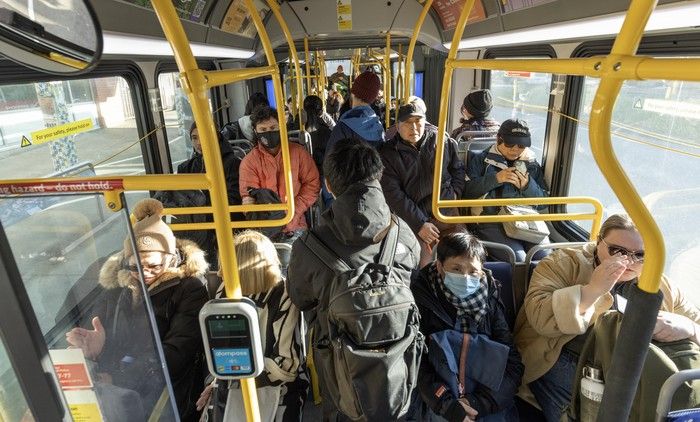
Meanwhile, in Vancouver, four 99 B-Line buses departed from Commercial Drive SkyTrain station over a period of 20 minutes, each one loaded with dozens of passengers.
The 99 is TransLink’s busiest bus route, averaging 91 passengers per hour in 2024. That compares with an average of four passengers per hour on the 614, one of the routes with the lowest ridership.
According to a Postmedia analysis, the cost for TransLink to operate these and other routes in Metro Vancouver varies widely depending on ridership.
For instance, it cost TransLink an average of $1.70 per passenger to operate the 99 in 2024. But it cost about $26 per passenger to operate the 614 bus, the third-highest cost in the region.
The route with the highest average per-passenger cost — $28 — was the 619 community shuttle in Tsawwassen. It runs between the South Delta Recreation Centre and Boundary Bay.
The route with the second-highest average per-passenger cost — almost $27 — was the 719/722 community shuttle serving Maple Ridge and Pitt Meadows.
To calculate per-passenger costs, Postmedia requested hourly service costs for TransLink buses and shuttle buses, then divided the cost per service hour by the average number of passengers per service hour. TransLink provided an average hourly cost for full-size buses that included trolley, articulated and regular buses. Service hours include time spent on a route as well as travel to and from the depot and while parked at the ends of a route. Passenger figures were taken from TransLink’s
2024 service performance report
.
Metro’s busiest routes with the most frequent bus service, including the 99, 49 and R4, each cost about $2 a passenger, according to Postmedia’s analysis.
On the flip side, most of the 10 bus routes with the highest per-passenger costs were shuttle or mini-bus routes serving suburban areas with limited public transit, including Ladner, Tsawwassen, Maple Ridge, and Lions Bay. Average per-passenger costs in these jurisdictions ranged from $16 to $28 per passenger, far above the regional average of $6.
“One of the commonalities between all of these is that they are smaller municipalities that are further out,” said Denis Agar, executive-director of
, a transit advocacy group.
But that doesn’t necessarily mean TransLink should consider pulling resources out of these lesser-used routes, Agar said.
“Those buses, even if they go to a really small municipality, are making life a lot easier for the people who live there, whether they be seniors or domestic workers or others.”
Agar pointed to TransLink’s recent spending to increase bus frequency along “boring old suburban routes,” such as the 325 and 323 in Surrey, as evidence that ridership increases as buses arrive more frequently, lowering per-passenger costs.
Surrey’s 323 bus route, which runs along 128 Street, had the fifth-cheapest per-passenger cost, according to Postmedia’s analysis.
“You can clearly see that the most frequent routes are the ones that have the most cost effectiveness, because they send the signal to riders: ‘Hey, you can rely on this. You don’t even need to look at the schedule,’” Agar said.
James Vi, a third-year economics student at UBC, said he typically rides the 99 four times a week. He said he sometimes has to wait for the next bus because there are so many passengers waiting to board.
But he, too, wasn’t sure pulling resources from other, less-busy routes, would be helpful.
“It’s very hard to predict” how busy the 99 will be, he said.
Last September, TransLink increased service on 53 routes, including 13 routes in Delta and Maple Ridge, TransLink spokesperson, Dan Mountain, wrote in an email. Increased service on another 37 routes went into place on Jan. 5, including all-day 30-minute service on the 609 in Delta, which serves the Tsawwassen First Nation.
It did not appear that any changes were coming soon for the 614 or other low-ridership routes in Delta.
“TransLink allocates service to the most overcrowded routes because those increases attract the most additional riders overall throughout the region,” Mountain wrote. “We will continue to monitor which routes need more service for the upcoming service changes in the spring, summer, and fall.”
Mountain said TransLink is developing a new Bus Rapid Transit service in Maple Ridge.
“This service will provide rapid transit between Haney Place in Maple Ridge and the future Willowbrook SkyTrain Station in Langley,” Mountain wrote.
Agar hopes planned spending to increase service on bus routes in Maple Ridge could lead to lower per-passenger costs.
“There are a handful (of routes) in Maple Ridge and elsewhere that have a reasonable density — still suburban level, but it’s enough that if the bus came every half hour, all day long, it could really flourish,” Agar said.
“TransLink has some investments in the queue for that area that I’m pretty excited about.”