Advertisement 1
Story continues below
This advertisement has not loaded yet, but your article continues below.

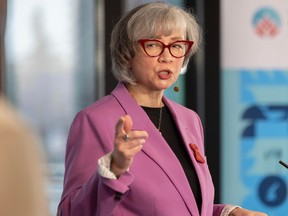
British Columbia’s lowest-paid workers are getting a raise on Monday — though not everyone is thrilled at the prospect.

Subscribe now to read the latest news in your city and across Canada.
Subscribe now to read the latest news in your city and across Canada.
Create an account or sign in to continue with your reading experience.
Create an account or sign in to continue with your reading experience.
The B.C. government announced back in February that the 2026 wage bump, set to take effective June 1, will move the minimum hourly rate from $17.85 to $18.25.

It’s an increase of around 2.1 per cent, calculated based on the province’s average inflation rate last year, which was also just over 2.1 per cent. The Ministry of Labour said there were about 141,300 employees in B.C. earning the minimum wage or less last year.
While the news is expected, the B.C. Chamber of Commerce continues to sound the alarm about incremental cost increases for small and medium businesses across the province.
“While the ministry frames this automatic adjustment as a win for workers, independent business owners are left managing the cascading ‘ripple effects’ — including forced wage compression across staff and immediate hikes to mandatory employer costs,” the chamber said in a member newsletter this week.
The chamber said the payroll hike for independent operators comes as they scramble to budget for PST expansion in the fall, when certain professionals will shoulder a “permanent, unrecoverable seven per cent tax” on services such as accounting, architecture, engineering and geoscience, security, and rental property and strata management.
“Unlike global corporations, independent businesses cannot easily absorb these compounding regulatory burdens or automate overnight,” the chamber said.
Its president and CEO, Jen Riley, is expected to talk about those burdens during an 1130 NewsRadio appearance on Monday morning.
This is the 11th straight year B.C. has increased the minimum wage, in stark contrast to the years before that.
Beginning in 2001 — when B.C.’s minimum wage was just $8 an hour, the lowest in Canada at the time and the same year the B.C. Liberals ascended to power — there were no minimum wage increases for a decade and just two years when it went up through 2015.
That’s when B.C. first indexed the minimum wage to the consumer price index to account for inflation. When former premier John Horgan and the B.C. NDP took power two years later, the policy of indexing to inflation continued. That policy was protected by law in 2024, making it automatic to tie increases to the previous year’s inflation.
“Working people in our province are feeling the pressure of inflation,” said Labour Minister Jennifer Whiteside in a statement announcing the 2026 increase.
Average wage increases in B.C. have far outpaced jumps in the minimum wage. Hourly average wages have grown by over 25 per cent in the past five years, from just over $30 to nearly $38 an hour.
Many of those earning minimum wage are young adults, women and racialized employees working mostly in retail, food services and care industries, according to the Labour Ministry.