Vancouver Election 2026: 8 hot topics and where the 7 major parties stand
Trying to decide who to vote for in Vancouver? Here is a summary of where the seven main parties stand on eight key issues
By Dan Fumano
Last updated 11 hours ago
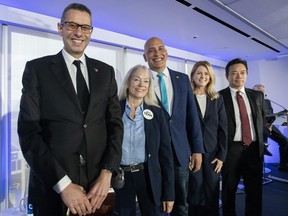
Haven’t yet decided who to vote for in the Vancouver election? It’s a busy race this year, with seven parties with incumbent or previously elected politicians running, including five mayoral candidates. To help you choose, city columnist Dan Fumano has compiled brief summaries from those parties on where they stand on key issues facing the city.

Subscribe now to read the latest news in your city and across Canada.
- Unlimited online access to articles from across Canada with one account.
- Get exclusive access to the Vancouver Sun ePaper, an electronic replica of the print edition that you can share, download and comment on.
- Enjoy insights and behind-the-scenes analysis from our award-winning journalists.
- Support local journalists and the next generation of journalists.
- Daily puzzles including the New York Times Crossword.
Subscribe now to read the latest news in your city and across Canada.
- Unlimited online access to articles from across Canada with one account.
- Get exclusive access to the Vancouver Sun ePaper, an electronic replica of the print edition that you can share, download and comment on.
- Enjoy insights and behind-the-scenes analysis from our award-winning journalists.
- Support local journalists and the next generation of journalists.
- Daily puzzles including the New York Times Crossword.
Create an account or sign in to continue with your reading experience.
- Access articles from across Canada with one account.
- Share your thoughts and join the conversation in the comments.
- Enjoy additional articles per month.
- Get email updates from your favourite authors.
Create an account or sign in to continue with your reading experience.
- Access articles from across Canada with one account
- Share your thoughts and join the conversation in the comments
- Enjoy additional articles per month
- Get email updates from your favourite authors
Sign In or Create an Account
1. Crime and safety

tap here to see other videos from our team.
Vancouver Election 2026: 8 hot topics and where the 7 major parties stand Back to video
tap here to see other videos from our team.
How would you describe crime and public safety in Vancouver? Getting worse? Getting better? Not a major concern right now? Do you have any significant plans for change in this area? What changes, if any, would you make to the Vancouver Police Department’s budget? What are your proposals for a safer city?

ABC Vancouver (Mayoral candidate: Ken Sim | 9 council candidates): Keeping Vancouver safe has been our No. 1 priority, and we’ve made real progress. Violent crime is down 18 per cent across the city. For the first time in over a decade, the Vancouver Police Department is fully funded. We removed dangerous encampments, expanded mental-health supports, and launched new measures to crack down on crime. It’s working: At the end of 2025, Vancouver had the lowest property and violent crime rates in 23 years. Our goal is simple: protect the progress we have made and keep driving crime down.
Green Party of Vancouver (Mayoral candidate: Pete Fry | 4 council candidates): Ken Sim and ABC won in 2022 on a “Vancouver is dying” public safety promise. Four years later, same argument. Yet residents remain concerned about safety. Why? Public safety is a system, not a slogan. An Office of Community Safety will co-ordinate police, fire, community services, licensing, and land use. We’ll lift the ban on supportive housing and harm-reduction services under binding conditions. We will expand daytime shelters and washrooms, plus create a 24/7 non-police team for non-emergency calls. Before touching the police budget, we’ll audit the VPD independently.
TEAM for a Livable Vancouver (Mayoral candidate: Colleen Hardwick | 7 council candidates): Violent crime is on the rise again, and residents are not feeling safer. ABC has not done enough to address crime and disorder, and has failed to meaningfully improve life for those suffering from addiction. TEAM has a four-part plan to make the city safer for everyone: a residents’ safety action plan, community-first approach to policing, violence against women prevention strategy; and focusing on recovery: a new approach to addiction. Regarding the VPD budget, we would have to examine the budget and analyze the data before proposing changes.
-
Advertisement 1Story continues belowThis advertisement has not loaded yet, but your article continues below.
Vancouver Liberals (Mayoral candidate: Kareem Allam | 7 council candidates): Intimate partner violence and hate crimes are crises, and the Vancouver Liberals will treat them that way. We will back a survivor-led plan on intimate partner violence. Faith and cultural communities targeted by hate attacks will get immediate action, security grants and more officers. Fifteen new financial crimes officers will go after drug bosses and their money, and we will shut down the bitcoin ATMs and predatory lenders that launder it. Nurse-led crisis teams will be fully staffed, community policing centres funded, and a youth violence reduction unit launched.
Vote Vancouver (Mayoral candidate: Rebecca Bligh | 6 council candidates): Violent crime in Vancouver has dropped over the past 20 years, but many residents don’t feel safer, and their concerns are real. Over two years, the number of unhoused people in Vancouver grew by nearly 12 per cent. Vancouver already spends more per person on policing than other Canadian cities, and more policing alone won’t close that gap. Our proposals include lifting the ban on supportive housing, building recovery community centres, and advocating to the province for more psychiatric care and long-term beds.
COPE (No mayoral candidate | 4 council candidates): We need to address the root causes. And we need to differentiate between crimes of desperation and survival, and crimes that are exploitative or predatory. People have questions about why Vancouver is spending more on police per capita than other Canadian cities. The VPD does not need to be doing mental health calls. We need to look at the full spectrum of risks to safety: intimate partner violence, pedestrian fatalities, climate events, and suicide. We need to stop starving our public services with skyrocketing police budgets.
OneCity (No mayoral candidate | 5 council candidates): Too many Vancouverites feel less safe after four years of ABC. OneCity’s public safety plan covers crime and policing, plus what ABC ignored: safe public spaces and safe streets. We will set the VPD budget based on an independent review, as we expect of every other public service. We’ll ease pressure on police by sending crisis response teams where officers aren’t needed, keep parks, streets and bus shelters well lit and clean, build protected, connected paths for walking, biking and rolling, and adjust speed limits in busy pedestrian areas.
2. Taxes
Do you have any proposals regarding existing taxes, such as increasing, eliminating, or changing the empty homes tax? Ideas for new taxes? What is your position on the property tax freeze in Vancouver’s 2026 budget and the cuts required to achieve it?

ABC: Vancouver is an expensive city, and residents and businesses should not automatically be asked to pay more every year. That is why we championed the zero per cent property tax increase in 2026, and we are committed to delivering another zero per cent property tax increase in 2027. We achieved the 2026 tax freeze while protecting core front-line services, fully funding police and fire, maintaining community grants, and continuing investments in infrastructure. The city found $120 million in savings, efficiencies and new revenue opportunities, while growing non-property-tax revenues.
Greens: We can’t make informed tax decisions without knowing where the money goes. ABC cut city budget documents from hundreds of pages to under two dozen, making their 2026 property tax freeze hard to scrutinize. We will restore financial transparency through clear line-item budgets and accountability. Our focus is taxes that demonstrate good value and keep pace with inflation, while meeting neglected infrastructure and resident priorities. Before any changes to the empty homes tax we would audit compliance and evasion rates to determine how best to target empty properties.
TEAM: Ken Sim raised property taxes by over 23 per cent during his first three years, including a record-high 10 per cent increase his first year. Now he is promising a tax freeze for the election. We need to stop playing politics with our taxes. TEAM will do away with such election-year stunts. TEAM is making a predictable property tax pledge: Property taxes will never increase above the rate of inflation, so homeowners have some certainty about their taxes and city finances are managed responsibly.
Liberals: Ken Sim raised property taxes by 23 per cent in three years, more than any Vancouver mayor, then froze them for the election. The Vancouver Liberals will cap increases at inflation and tie any increase clearly to what the city needs. We will cancel the second city hall (civic district project), bring outside consulting work in-house, cut management layers and make every department justify its spending. Small businesses will be taxed on actual use, family doctors’ offices will pay less, and the Greater Vancouver Food Bank will be exempted.
Vote: The 2026 property tax freeze made a good headline, but saved most households an insignificant amount of money considering residents are paying in other ways, through reduced services and higher fees. A second freeze would further cut services, and put city finances at risk. As past president of the Federation of Canadian Municipalities, I’ve worked with mayors of Canada’s largest cities, and they warn against exactly these kinds of gimmicks. We will keep property tax increases at or below inflation, so residents have predictable costs and the services they rely on.
COPE: The empty homes tax was originally a COPE proposal. We support tripling it. We also support taxing empty lots, non-resident investors, and mansions. ABC’s austerity budget was devastating to public services that people rely on, terrorized city staff, and did damage to the city that will take years to repair. It was also transparently an election gimmick in the context of an ABC administration that raised taxes faster than any mayor in history from 2023 to 2025. Residents want well-funded public services, and don’t want property taxes to be a political roller-coaster.
OneCity: OneCity will split water metering off your municipal tax bill so you only pay for what you use. Average households will pay less every year, while buildings that use more water, like mansions, pay their fair share. Ken Sim’s “zero means zero” budget left Vancouverites with closed bathrooms, reduced hours, and deteriorating facilities, on top of a 23 per cent increase over the term. OneCity is committed to providing Vancouverites a plan for moderate, reasonable annual tax increases that deliver new and renewed community centres, amenities and critical infrastructure.
3. Drugs and addiction
Vancouver ballots this year includes two plebiscite questions related to drugs and addiction. Do you believe Vancouver should change its approach to the consumption of hard drugs like fentanyl and meth in public spaces? Do you support creating an involuntary detention facility for people with severe substance use and mental health issues, either at the old St. Paul’s Hospital site or a similar location?

ABC: Vancouver needs a different approach, and the plebiscite reflects that reality. Compassion cannot mean accepting hard-drug use in parks, on sidewalks, or around businesses and families. We support strengthening our rules to prohibit public consumption of hard drugs, while ensuring people have access to appropriate health and treatment services. We strongly support asking the province to establish a secure medical facility at the former St. Paul’s Hospital site.
Greens: The plebiscite questions are a waste of taxpayer money — divisive, dangerous, and outside city jurisdiction. ABC intends to use bylaw enforcement to confiscate drugs from people with addiction. That will deepen desperation, increase risky behaviour, and push people away from help. Public drug use is already illegal, we will redirect it to appropriate sites. We support supervised consumption sites connected to services, and expanded treatment programs. If the province moves forward with involuntary care facilities, they must be thoughtfully designed, carefully located, and subject to appropriate safeguards.
TEAM: The status quo is unacceptable, but a non-binding plebiscite won’t change it. TEAM’s policy is zero tolerance for the use of hard drugs in public spaces. In terms of care, we have a focus on recovery, with more treatment on demand and holistic long-term supports adopting smaller-scale, tightly regulated recovery-oriented homes that are not geographically concentrated in one area. Involuntary care should be available when necessary to save lives, but as a last resort, subject to B.C.’s Mental Health Act criteria and appropriate legal safeguards.
Liberals: We will expand the Four Pillars into a six-pillar framework: prevention, treatment, harm reduction and enforcement, plus housing and early intervention for youth mental health. We are looking to host a new Vancouver Accord, updating the last one from 25 years ago. Within a year, Vancouver will have its first meth strategy, covering outreach, treatment siting and neighbourhood impacts. We support involuntary care when needed, as part of a system that moves people into recovery. We oppose building a mental health prison downtown at the old St. Paul’s site.
Vote: Hard drugs are already illegal, and ticketing people with substance use disorders or confiscating their drugs will not end public drug use. Without health supports to manage withdrawal, it makes people more desperate and creates more dangerous situations. It pushes people further from help and costs the city money without results. Involuntary care is necessary in certain cases, but that is a provincial responsibility, not municipal. As a broad approach, involuntary detention is not the answer. People are far more likely to succeed in recovery when they choose it.
COPE: Nobody wants to live in a city where people are struggling on the streets. We need to stop the criminalization of poverty and invest in voluntary treatment. We need to stop shuffling vulnerable people around from neighbourhood to neighbourhood with street sweeps, and create accessible supportive housing with mental health supports so people have places to go. We do not support the plebiscite questions being on the ballot. They are a cynical distraction from Ken Sim’s failures, and a taxpayer-funded re-election strategy.
OneCity: The plebiscite is an insult to every Vancouverite. It will cost up to $550,000 and give council no new tools or resources, whatever the outcome. An involuntary detention facility downtown will not solve homelessness. The province’s own adviser says only a few hundred people in B.C. need involuntary care, while 2,715 people are homeless in Vancouver. City staff say Vancouver needs 777 more supportive homes. ABC froze them. OneCity will end that freeze, and work toward more voluntary care spaces for people needing help.
4. Housing
How would you describe the state of housing in Vancouver? What are the most important things Vancouver should do to improve the housing situation? What is your plan?

ABC: Our plan is to keep building on what is working. In 2025, Vancouver approved 12,795 homes, 54 per cent above our annual target, and completed more purpose-built rental housing than in any year over the last four decades. During the next term, we will continue permitting reforms to make approvals faster and more predictable, expand housing options across Vancouver, and pursue our target of 83,000 new homes over 10 years, including more rental, below-market and family housing.
Greens: Vancouver’s housing crisis is an affordability crisis. We will set affordability targets to median incomes, not market rents. Taxpayer-owned land will be for affordable, co-op, and community land trust housing, and a new Vancouver Public Housing Bond will finance city-owned affordable homes. We will speed up approvals through pre-approved housing designs, enable “missing middle” housing in every neighbourhood, and reverse the supportive housing ban. A restored Renter’s Office and rental acquisition fund will protect tenants and affordable homes. Wood-frame apartments citywide deliver faster, cheaper, more livable homes and supports B.C.’s forestry sector.
TEAM: For decades, City Hall has implemented a top-down, one-size-fits-all approach to development. This approach has led to a large inventory of investor units that are too small for families and too expensive for local incomes, demoviction and displacement of longtime residents, speculative land inflation across the city, demolition of older, more affordable housing, and loss of neighbourhood character, tree canopy, and livability. TEAM’s plan will repeal and replace the city’s official development plan, and related plans such as those for Broadway, Jericho Lands, and the Rupert Renfrew area.
Liberals: The Vancouver Liberals will merge 12 permitting departments into one, and adopt the B.C. Building Code while keeping our zero-carbon standards. Churches, co-ops and non-profits will be able to build affordable homes on their own land without rezoning. Every co-op lease on city land will be extended, and development charges on non-market housing will drop. We will lift the pause on supportive housing with enforceable operator standards and restore the renters’ office to protect tenants from renoviction. Once the viaducts come down, we will build Northeast False Creek.
Vote: Vancouver has a housing affordability crisis. For the first time in decades, our rental vacancy rate has reached a healthy level, the highest since 1988. But housing remains unaffordable for most people who live and work here. The challenge now is building homes people can actually afford. Our plan includes building affordable homes on city-owned land, and helping faith communities redevelop their land into affordable housing, with faster permitting and rezoning support. We will also reverse the ban on new supportive housing.
COPE: The housing market is designed to benefit the super-rich and investors, grow homelessness, and jack up our rents. We need to protect tenants by law, bring back the renter’s office, stop mass displacement, protect existing affordable housing and co-ops, and invest in building permanently affordable housing for all income levels. We can make housing affordable if we fight for it.
OneCity: It’s still illegal to build a small apartment across most of Vancouver, one of the most expensive cities in the world. OneCity will directly build 4,000 affordable homes on city land. We will allow four floors and corner stores citywide and six floors and services near centres and thoroughfares, and make it easier and cheaper to build on smaller lots. We’ll also protect affordability by supporting the acquisition of affordable rentals before they are gone, expanding Vancouver’s tenant relocation and protection policy and growing community land trusts across the city.
5. Public services
What changes would you make to public services offered by the city? Would you reverse any recent service cuts or reductions? Or introduce any new public services, either for free or on a paid basis?

ABC: Our focus is on delivering better public services without automatically asking taxpayers to pay more. The 2026 budget maintained core services, including library and community centre hours, public safety, road maintenance, and community grants, while finding $120 million in savings, efficiencies, and new revenue. Rather than reversing those changes, we will continue finding efficiencies and reinvesting in the services Vancouverites use every day. We are also making major investments in the future. Our $3.5 billion 2027-2030 capital plan includes the largest investment in community and recreation facilities in Vancouver’s history.
Greens: Recent cuts have weakened services residents rely on. We will restore the renter’s office to support tenants facing displacement, reinstate the older persons planner to champion seniors’ needs, re-embed the equity office, and return a stand-alone sustainability and climate office. We will rebuild food planning, restore arts, culture, and community services staffing and grants, and create a festival fund to give cultural events stable support. We’ll expand recreation fee assistance and the leisure access program, and properly fund the park board. We will recertify Vancouver as a living wage employer.
TEAM: We will increase funding to core services while completing a line-by-line review of the budget, something Ken Sim promised in 2022 and did not fully deliver on. Before introducing new services, we would consult with residents for their input on what is needed most.
Liberals: On day one, the Vancouver Liberals will requisition 400 new CUPE front-line workers to extend library and community centre hours, maintain parks and fields, and pick up garbage. A pothole, graffiti and litter blitz starts immediately, with progress on a public dashboard. New firefighters will be phased in under the Darkhorse report, and a Firefighters’ Advisory Board will advise on stable, long-term funding. We will put lifeguards back at every previously staffed beach, scrap parking fees at beaches and community centres, and fund free recreation passes for low-income residents.
Vote: We will reverse the cuts to child care funding in the ABC-supported capital plan and restore needed support for this sector. Vancouver has an affordable child care shortage, so we will build space for non-profit child care providers in every new development on city-owned land. We will also make the city easier and more affordable to get around, supporting free transit for youth, turning underused EasyPark spaces downtown into free, secure bike parking, creating a prepaid parking pass for seniors who don’t use parking apps, and lower parking costs near community spaces.
COPE: We need to reverse the cuts that Ken Sim and ABC brought in with their austerity budget. We need to stabilize library funding and open all branches seven days a week. We also need a universal school meal program for Vancouver School Board students. That will not only help children learn, it will help lower grocery prices for everyone.
OneCity: You should be able to ask your city for more than the basics. OneCity will build three new community centres and three new pools. We will make Vancouver Public Library the anchor of a citywide third-space revival, with two new libraries, three renewed branches and expanded programming. A 311 van will come to residents who struggle to reach City Hall because of location or hours. And a new Office of Community Engagement will put city staff into communities, so neighbours are part of planning and resourcing decisions from the start.
6. Environment
What role should City Hall play in environmental issues? What are your priorities related to climate and the environment?

ABC: City Hall has an important role to play on climate change, but our focus should be on practical measures that make Vancouver more resilient, affordable and sustainable. Our priorities include preparing our infrastructure for extreme heat, rainfall and sea-level rise, expanding the urban tree canopy and green space, and improving rainwater management and flood protection. We also need to ensure environmental regulations are practical and do not unnecessarily increase housing or business costs. Climate action should deliver measurable environmental benefits while recognizing affordability and economic realities.
Greens: City Hall has a direct role in climate action through land use, buildings, infrastructure, and transportation. We will return a stand-alone sustainability and climate office, re-establish the ban on fossil gas heating in new buildings, and include lifecycle emissions in reporting. We will grow the urban tree canopy toward 30 per cent, require green roofs on larger buildings, and streamline permitting for rooftop and plug-in solar. Investments in seawalls, sewer separation, cooling, and clean-air infrastructure will protect residents from flooding.
TEAM: This is an area where the city needs to focus on what it can do at the local level. That is why TEAM is focused on things like preserving our tree canopy, ensuring our waters and shorelines are kept clean, and upgrading city infrastructure to withstand severe weather events.
Liberals: The Vancouver Liberals will accelerate sewer separation to stop sewage overflowing into False Creek and English Bay, and add recycling depots across the city. We will keep our zero-carbon building standards, set GHG targets for transportation, and work with the port and YVR to cut their emissions. A Youth Climate Corps, paid a living wage, will plant trees in the neighbourhoods with the least shade. During heat and smoke warnings, community centres and libraries will stay open late as cooling and clean-air spaces.
Vote: City Hall shapes much of our climate future, from buildings to transportation and green spaces. Climate action is also fiscally responsible — every dollar invested in resilient infrastructure saves $13 to $15 in future costs. Buildings produce most of Vancouver’s carbon emissions, yet ABC brought fossil fuels back into new homes. We will reverse this. Vancouver’s own homebuilders have made clear these rules aren’t driving up housing costs. We will pursue a long-term vision for an all-electric passenger ferry network to ease congestion and take cars off the road.
COPE: We need a climate defence strategy, that gets more with less through tool libraries, sharing economy initiatives, and zero-waste programs like a bylaw to cut food waste. We also need to upgrade our infrastructure to prepare for future climate events, and invest in safety responses during climate events like the cooling kits that Ken Sim and ABC cut.
OneCity: City Hall’s decisions shape whether Vancouver is ready for major climate events, whether residents are protected from fluctuating energy costs, and whether people have clean air and water. OneCity will ensure the sustainable energy choice for your home is never the more expensive one, that buildings are built to last and seismically sound, and that tree canopy and parkland grow and connect citywide. Our housing and transportation plans are also climate plans: — more density is energy efficient, protected routes for walking, biking and rolling, and water metering that rewards conservation.
7. Local economy
What are your top priorities and plans when it comes to supporting the local economy? What does Vancouver need to do differently in its dealings with local businesses?
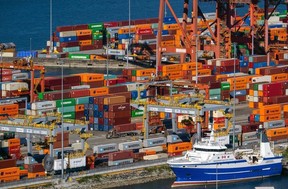
ABC: Vancouver’s economy depends on businesses being able to start, grow and create good jobs here. Our priority is to make Vancouver one of the easiest and most competitive places in North America to do business. That means continuing to cut red tape, speed up permitting and licensing, and reduce unnecessary costs. We are also moving forward with further reforms, including digitizing business permits, aligning renewal dates, accelerating liquor licensing, and creating faster approvals for pop-ups and temporary activations.
Greens: The city should be a partner to success, not a barrier. A new business navigator service will improve customer service, giving small businesses a single point of contact at City Hall. We will lower permit fees, streamline approvals, and fast-track change-of-use permits to open new businesses quickly. We will work with the province to secure property tax relief for small businesses, require major redevelopments to replace affordable commercial space, and advocate for stronger commercial tenant protections. City procurement will prioritize local and Canadian businesses, and we’ll restore the community benefit agreements ABC eliminated.
TEAM: Vancouver needs to diversify its economy so it is not so reliant on real estate. TEAM will create a Vancouver Economic Development Agency to partner with senior levels of government. Our plan will support local businesses with our neighbourhood shopping streets revitalization program, and we will protect our industrial land to ensure that there are still good-paying blue-collar jobs in the city.
Liberals: The Vancouver Liberals will cut the wait for permits to open a business from eight months to three, with one door for every permit, and restore the Vancouver Economic Commission with a concierge service for new businesses. Corner stores and cafés will be allowed in residential areas, and pop-ups and mixed-use spaces will get simpler permits. We will protect industrial land for well-paying trades jobs. Commercial property will be taxed on actual use, and businesses hurt by city construction will get tax relief passed through to their rent.
Vote: We will make City Hall work for businesses, not against them. We will create a small-business concierge — one person you can call who contacts departments on your behalf and helps with whatever your business needs are from the city. We will also move toward automatic business licence renewal to cut repetitive paperwork and give people their time back. We will also open city-owned storefronts to local entrepreneurs and community-serving businesses, starting in the Downtown Eastside, to help new businesses get established.
COPE: We need a strong local economy that prioritizes local shops, restaurants, and small storefronts over multinationals and mega-corporations. We want to establish a small business office to help local businesses navigate city systems and thrive to serve our communities. We also need to make it easy to run a co-op in this city, and establish a “Buy Vancouver” strategy to defend our local economy against tariffs.
OneCity: Ken Sim and ABC have abandoned Vancouver’s local economy, chasing multinational conferences that visit and then take their money elsewhere. OneCity’s local economy action plan will help every Vancouverite start their dream business. We will enable low-impact backyard businesses and corner stores, offer easy, inexpensive pop-up permits to test concepts in vacant storefronts, and provide micro-grants to Vancouver-grown businesses. We will reform bureaucratic “change-of-use” rules so it doesn’t cost a million bucks to turn an office into a yoga studio. And we’ll bring back the living wage ABC scrapped.
8. Other
Please share one specific, tangible proposal for improving Vancouver that doesn’t fit neatly into any of the above categories.
ABC: We want to establish Vancouver as one of North America’s premier destinations for major sports and sporting events. We are already pursuing a Major League Baseball franchise for Vancouver, and have been clear that we need to work hard to keep the Whitecaps and MLS in our city for the long-term. Building on the momentum of FIFA 2026, we will be more ambitious about attracting professional sports franchises, major tournaments and international sporting events.
Greens: Our broad focus is improving the quality of life for Vancouverites. To support that vision we will introduce a well-being index, a tool to measure how people are doing overall, using indicators such as housing, health, income, safety, social connection, environmental quality, and life satisfaction rather than relying solely on economic measures like GDP. This will help City Hall assess whether policies are improving residents’ quality of life and community well-being.
TEAM: We will enact a ward system so that neighbourhoods and residents are truly represented at City Hall. TEAM has extensive policies and positions on all policy areas in our platform.
Liberals: SkyTrain to UBC will be the Vancouver Liberals’ top transit priority. We will press the province for committed funding and a construction schedule to link B.C.’s largest research centre with its largest employment hub. To plan the corridor as a single city, we will ask the province to bring the University Endowment Lands into Vancouver, giving residents there a vote for mayor and council. Rapid transit should reach all 22 neighbourhoods, and we will pay for it with revenue from new development.
Vote: A Vote Vancouver-led council will create an independent Vancouver arts council. Right now, arts groups applying for city funding can wait months while council debates and votes on individual grants. That makes it hard to plan a festival or a season, and puts politicians in charge of decisions the arts community is better placed to make. We will start within six months by setting up an arts and culture navigator at City Hall to help artists and cultural non-profits with permits, liquor licences and special-event approvals.
COPE: We need a people’s audit at the City of Vancouver to review the damage done by Ken Sim and ABC, clean up his mess, and make the city work for people. People have a right to know about the waste and mismanagement under this administration so new systems can be set up to prevent a repeat of this disastrous term.
OneCity: OneCity will get city council, park board and school board working together to rebuild two deteriorating public sites as vibrant community hubs. Kingsgate Mall stays public and, with First Nations, becomes a community commons with a new school, community centre, child care, affordable rental homes and the pool Mount Pleasant should have had years ago. Britannia’s 18 acres will be rebuilt as one public campus: new elementary and secondary schools, a community centre and ice rink, child care, food programs and affordable homes — a model for shared sites and services citywide.
WATCH: Vancouver’s five mayoral candidates make their pitches at debate
tap here to see other videos from our team.